Vietnam foodie: What a local food lover eats on a Hanoi Old Quarter food tour
As a true vietnam foodie, you might find yourself in the heart of Hanoi’s Old Quarter, where tempting aromas drift out from narrow alleys. You want to try everything, but you may wonder: “Is this place hygienic?” and “Is the flavor truly traditional or just tourist-friendly?”
This article won’t overwhelm you with a random list. Instead, it shows how to choose authentic, clean, good-value Vietnamese restaurants in Hanoi Old Quarter, plus a few must-try stops right in the area.
Why is the Hanoi Old Quarter a heaven for serious eaters?
Cuisine in the Old Quarter has its own rhythm, following the rules of "eating in season" and "eating the right dish at the right time." Many original Hanoi dishes here are still preserved by families with recipes passed down through 3-4 generations.
- Culinary Heritage: Broths start simmering before sunrise, and grilled pork is still fanned by hand over charcoal, small details that keep the culture alive.
- Food rhythm: A vietnam foodie who knows the city often does this: beef pho in the morning to wake up your senses, bun cha at lunchtime, and a sizzling pan of cha ca at night. When you follow that rhythm, everything tastes better.
- Northern Taste: The key point is keeping the original flavor of fresh ingredients. The broth must be clear and sweet from bones, not sickly sweet from sugar or MSG.
- Traditional Cooking: Charcoal grilling, long-simmered broths, and carefully balanced dipping sauces (salty, sweet, sour, spicy, sometimes with ca cuong essence) create a depth of flavor that food lovers adore.
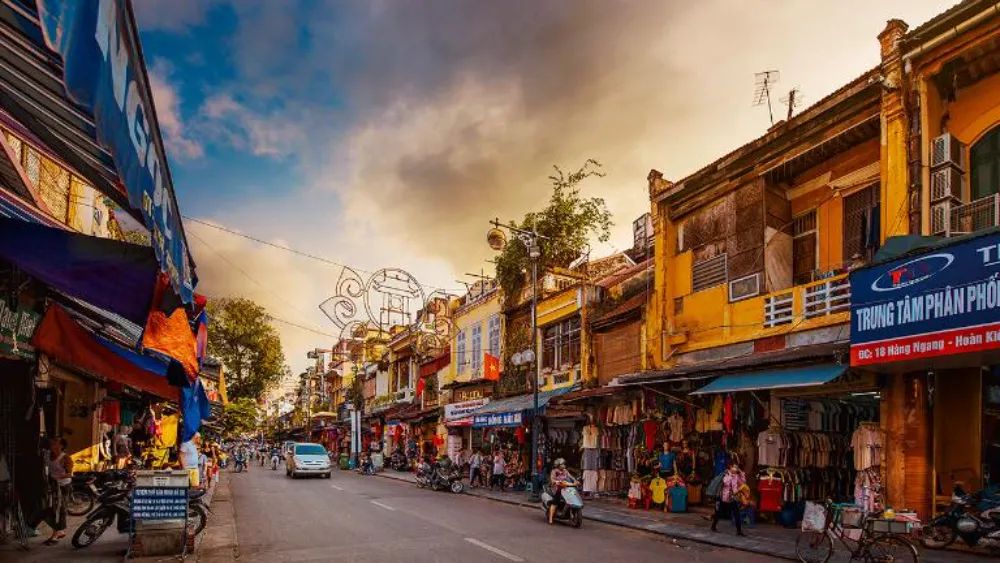
What should you eat in the Old Quarter to introduce foreigners to Hanoi?
Hanoi is not only pho. Our cuisine is a “symphony” of balance, freshness, and aroma. Below are the dishes I’m always proud to share with international friends.
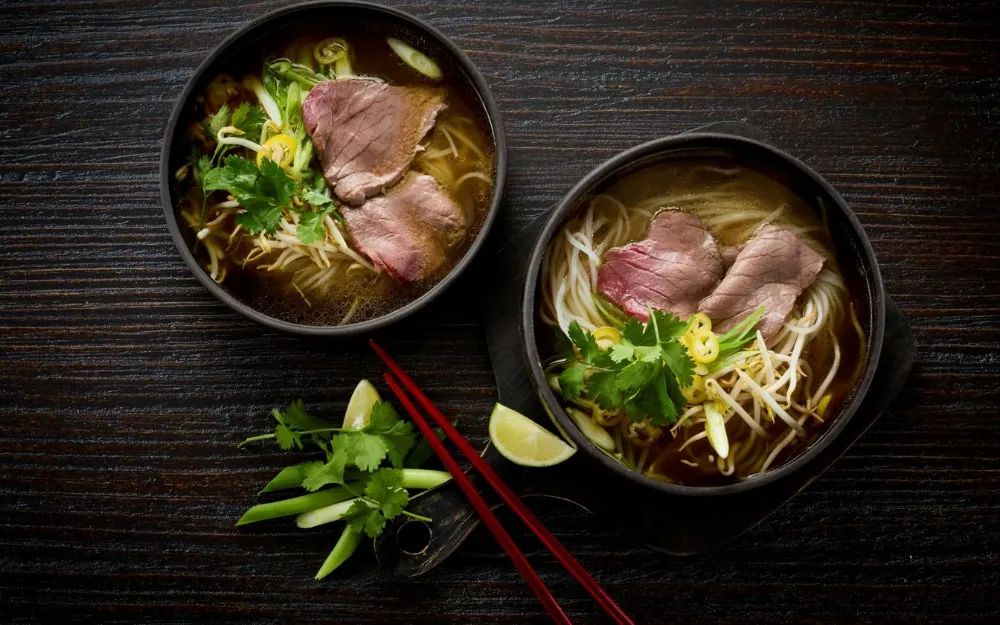
1. Pho Bo (Beef Pho)
Many tourists think Pho is just "Noodle Soup." But for Hanoians, Pho is a morning ritual.
- The Story: A proper pot of Pho broth must be simmered from beef bones for at least 12-24 hours. No shortcuts, no rushing.
- Taste: Don’t look for sugar. Notice the deep savory umami from bone marrow, along with the warm aroma of cinnamon, star anise, and roasted spices. A good bowl of Pho is when the broth is crystal clear, elegant, and awakens all your senses.
- How to eat like a local: Don't rush to add Hoisin sauce immediately. Taste the original broth first, then add a few slices of vinegar-soaked garlic and fresh chili to make your taste buds explode.
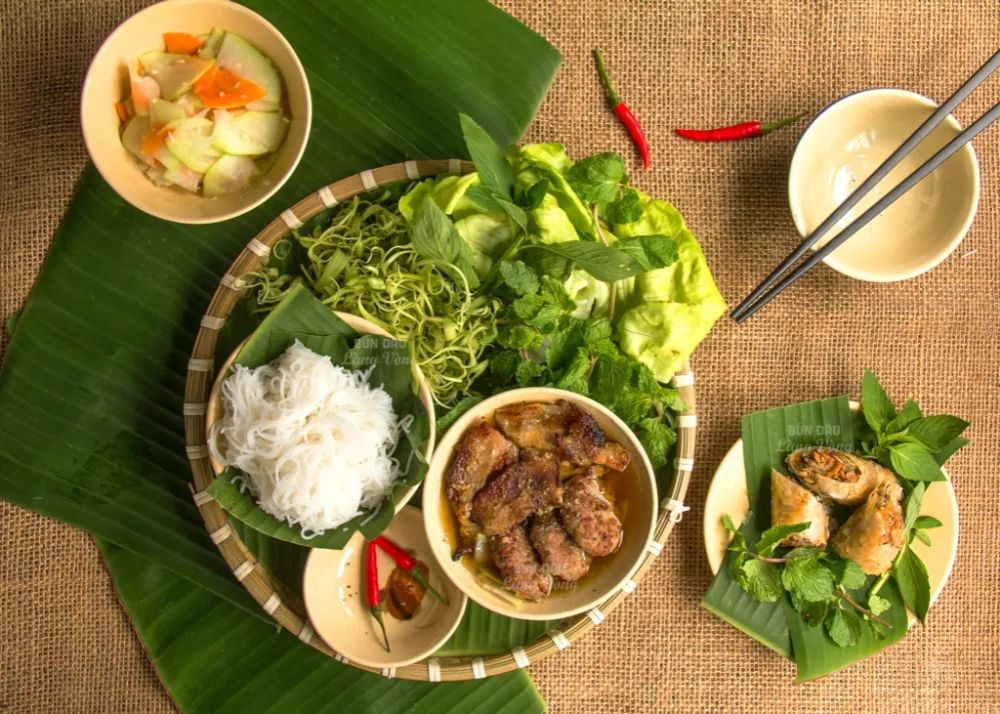
2. Bun Cha
If Pho is elegant, then Bun Cha is an earthly delight. This is the dish that conquered both President Obama and the late chef Anthony Bourdain.
- The Story: The secret lies in "Than hoa" (Charcoal). Pork must be grilled over hot charcoal so the fat melts, creating a caramelized edge and a signature smoky scent that no electric oven can replicate.
- Taste: Perfect balance. Flavorful grilled meat is dropped into a bowl of amber dipping sauce that is sour, spicy, salty, and sweet. Eaten with cold vermicelli and fresh herbs, you will feel the Hanoi summer melting in your mouth.
- How to eat like a local: Do not dump all the noodles into the sauce bowl at once it will cool down the meat. Pick up a small amount of noodles, dip them into the sauce bowl with the meat, add some fresh herbs (lettuce, perilla), and eat everything in one bite.
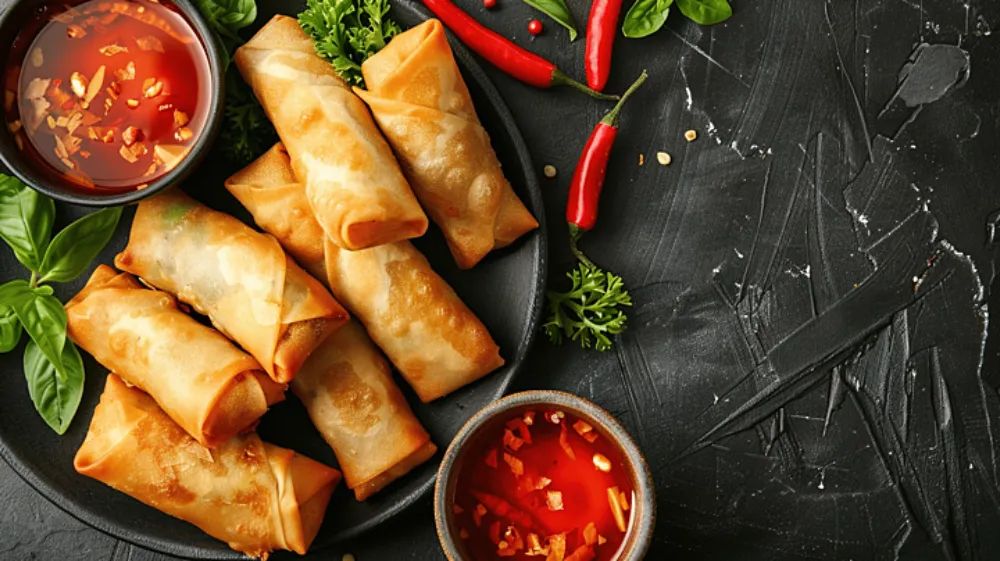
3. Nem Ran (Hanoi Fried Spring Rolls)
Unlike the soft fresh rolls, Hanoi Nem Ran is a master of Texture.
- The Story: The filling is a harmony of over 10 ingredients: minced meat, eggs, glass noodles, wood ear mushrooms, shiitake mushrooms... carefully wrapped in a thin rice paper sheet.
- Taste: Bite into one, and you hear a crispy "crunch." The hot crust breaks apart, revealing a soft, sweet filling fragrant with mushrooms and pepper. Dipped deep into garlic chili fish sauce, it is paradise.
- How to eat like a local: Cut the roll into bite-sized pieces with scissors. Dip it deep into the garlic-chili fish sauce. If it feels too oily, wrap it in a lettuce leaf with some coriander before dipping the green freshness balances the fried richness perfectly.
4. Cha Ca Lang (Turmeric Fish with Dill)
I often tell foreign guests: "For a culinary performance, go eat Cha Ca."
The Story: This is a unique dish exclusive to Hanoi. Fresh catfish (lang fish) is marinated with galangal, turmeric, fermented rice... and stir-fried hot right in front of the diners.
Taste: The smell of dill stir-fried hot with fish is a scent that creates nostalgia. The fish is rich, the skin is crispy, and eaten with roasted peanuts and shrimp paste. Don't be afraid of shrimp paste; when combined with lemon and sugar, it becomes a "divine" dipping sauce that elevates the dish.
How to eat like a local: This is a DIY dish. Put some noodles in your bowl. Add a piece of hot fish, some cooked herbs, roasted peanuts, and fresh coriander. Finally, drizzle a teaspoon of Mam Tom (shrimp paste) that has been whisked with lemon and sugar until frothy. If you can't handle the smell of shrimp paste, fish sauce is fine, but you will miss 50% of the experience!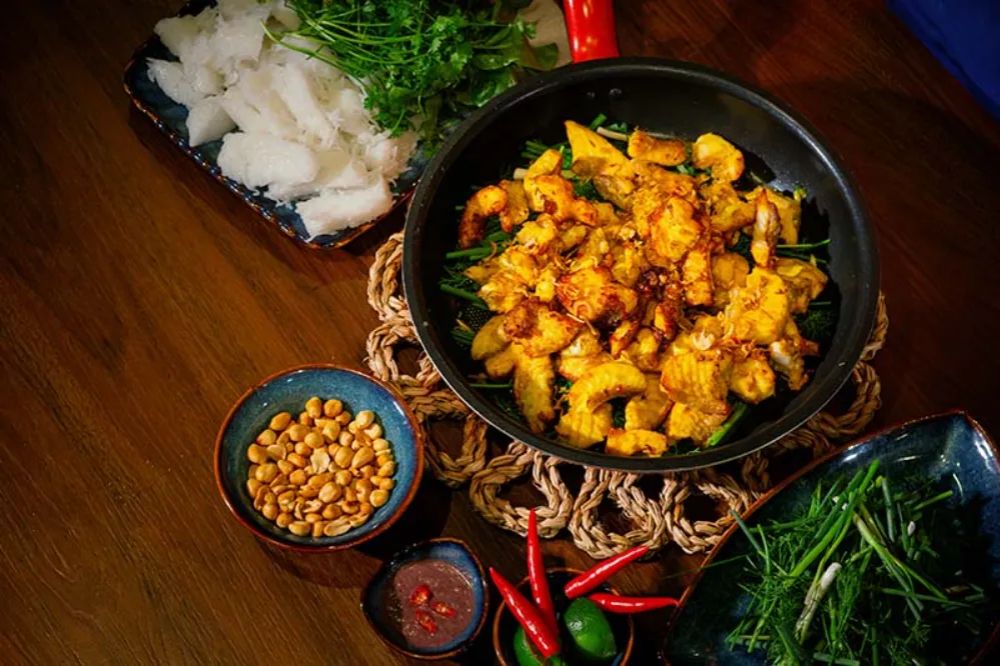
5. Ca Phe Trung (Egg Coffee)
Ending the culinary journey, nothing is better than a cup of Egg Coffee.
The Story: Born in the 1940s during a milk shortage in Hanoi, Mr. Giang (the creator) cleverly used whisked egg yolks to mimic the creamy foam of Cappuccino. It became a legendary symbol of Hanoi's adaptability and creativity.
Taste: Forget the concept of bitter coffee. Imagine a layer of creamy egg foam, smooth like Tiramisu, covering strong Robusta coffee. Sweet, rich, and warm.
How to eat like a local: Do not drink it immediately like an espresso. Use a small spoon to scoop the creamy foam first to taste the sweetness. Then, gently stir to mix the coffee and egg layers. Drink it slowly while the cup is kept warm in a bowl of hot water.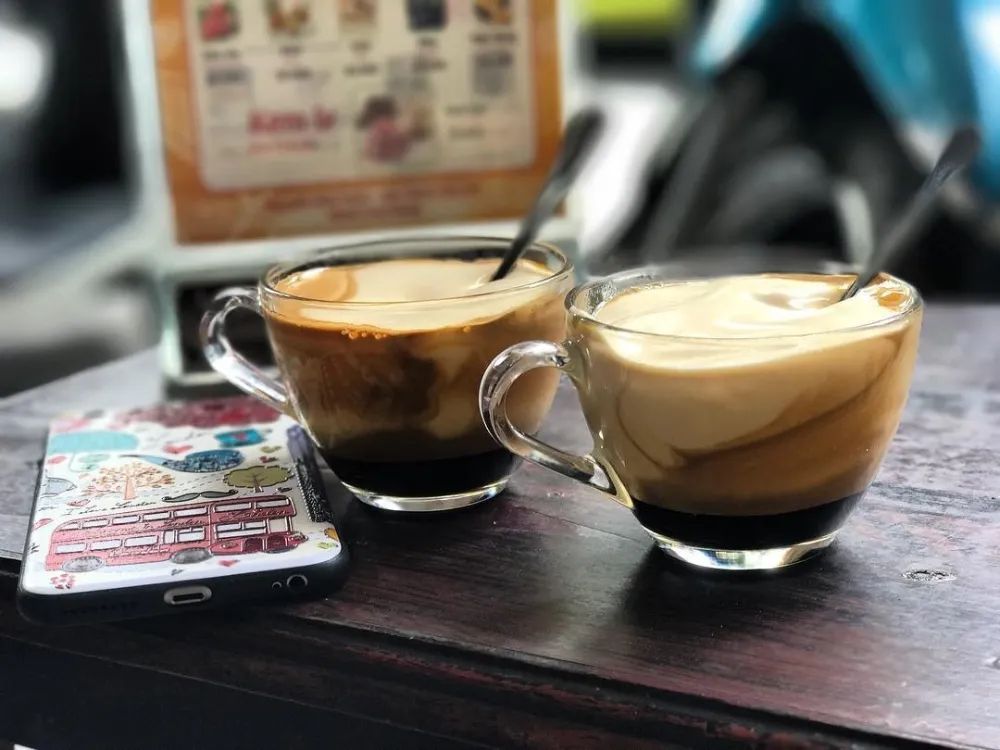
6. Banh Mi (Vietnamese Baguette)
Banh Mi is the perfect East-West combination. A cheap street sandwich that beats every luxury sandwich.
The Story: While the baguette came from the French, the soul of Banh Mi is Vietnamese. We made the bread lighter and airier, then filled it with local ingredients like pickles, cilantro, and chili sauce to create a balanced meal on the go.
Taste: An explosion of texture: hot, crispy, the crust shatters, blending with rich pate and flavorful cold cuts. The sourness of pickles and the aroma of cilantro help balance it out, making you want to eat it forever.
How to eat like a local: Banh Mi is street food no fork or knife required. Hold it with both hands, press it slightly to keep the filling inside, and take a big bite. The messier it gets, the better it tastes!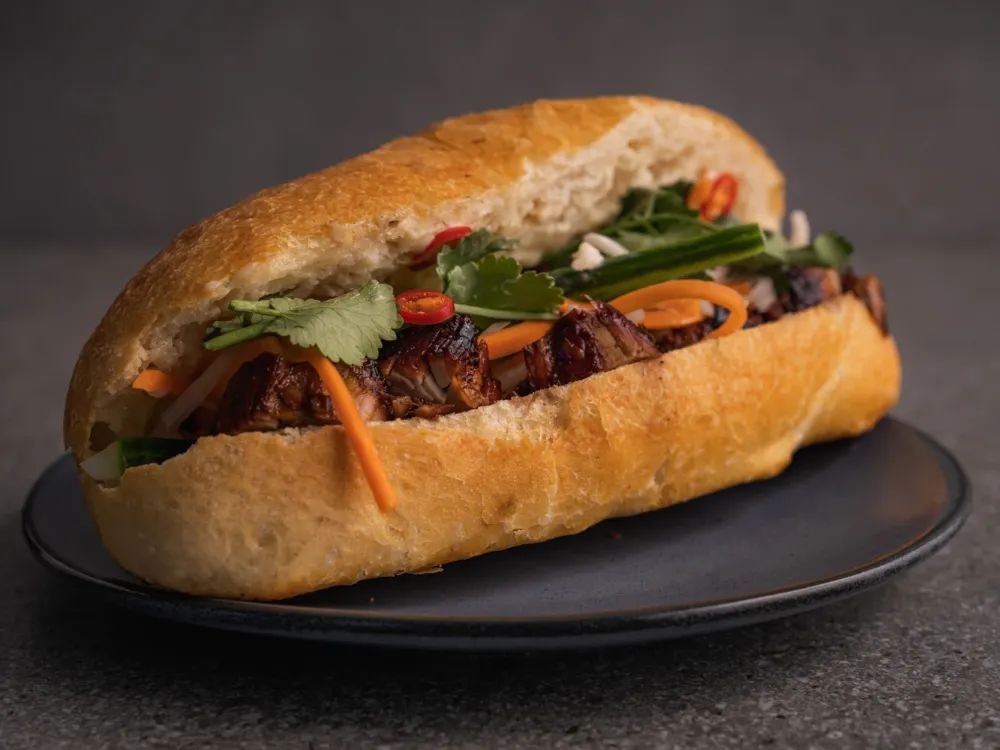
7. Xoi Ba Thao, Xoi Tho Nhuom (Savory Sticky Rice)
Forget cereal, this is the breakfast of Hanoians. Go to Tho Nhuom street, where locals line up to buy hot sticky rice wrapped in banana leaves.
The Story: In Vietnamese culture, rice is life, and sticky rice (Gao Nep) is the "pearl of heaven." On the streets of the Old Quarter, you will see ladies selling hot Xoi wrapped in banana leaves or lotus leaves, keeping the steam and aroma inside.
Taste: Unlike sweet sticky rice, Hanoi sticky rice is a savory feast. Fragrant sticky rice eaten with soft braised pork, pate, and sausage. The braised meat sauce drizzled on top is the soul connecting everything together.
How to eat like a local: If it’s wrapped in a leaf, you can pinch small bites with your fingers (clean hands required!) or use a spoon. Mix the toppings with the rice in every bite to get the full flavor profile.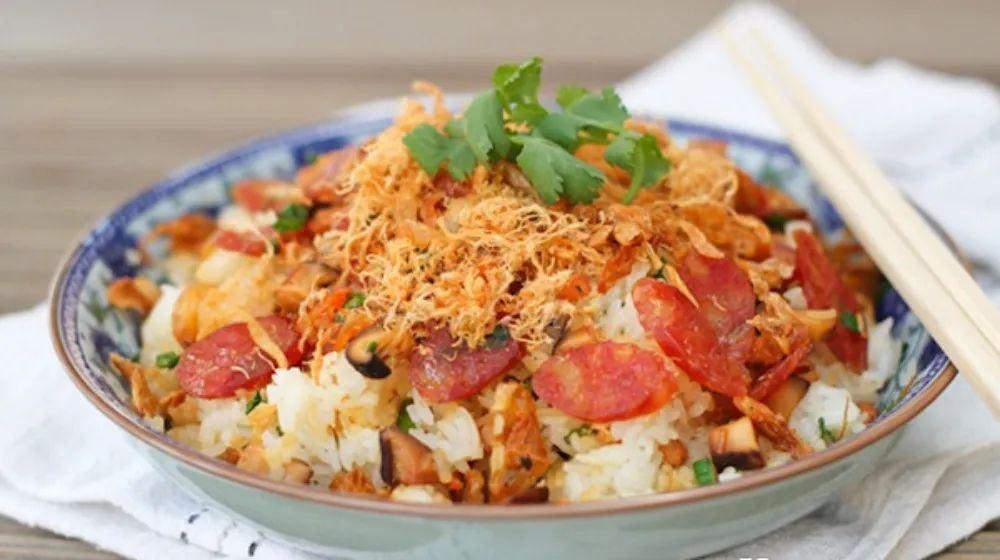
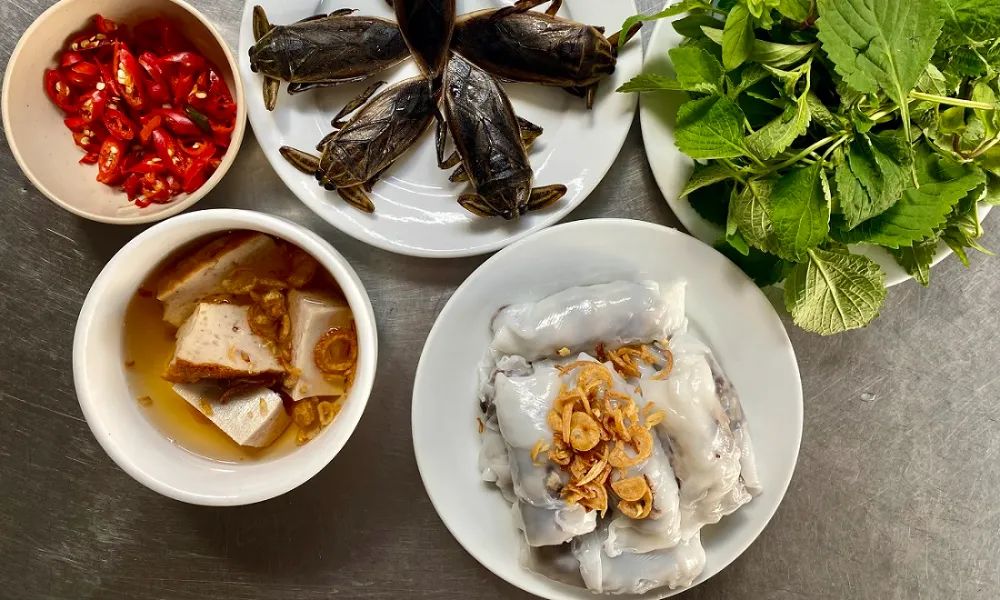
8. Banh Cuon (Steamed Rice Rolls)
I often say: "If you want to see art, watch them make Banh Cuon." This is the most elegant dish in Hanoi, light on the stomach and sophisticated.
The Story: The technique requires a master's hand to spread the rice batter paper-thin over a steaming cloth pot. It must be cooked just right—too long, it breaks; too short, it’s raw.
Taste: The cake layer is paper-thin, smooth as silk, slipping into the mouth. Inside is a crunchy filling of minced meat and wood ear mushrooms. When dipped deep into skillfully mixed sweet and sour fish sauce, the flavor becomes unforgettably refreshing.
How to eat like a local: Pick up a piece of Banh Cuon, dip it deeply into the sauce bowl (don't be shy, the sauce is mild), and eat it with fresh cilantro and a slice of Cha Que (cinnamon pork sausage).
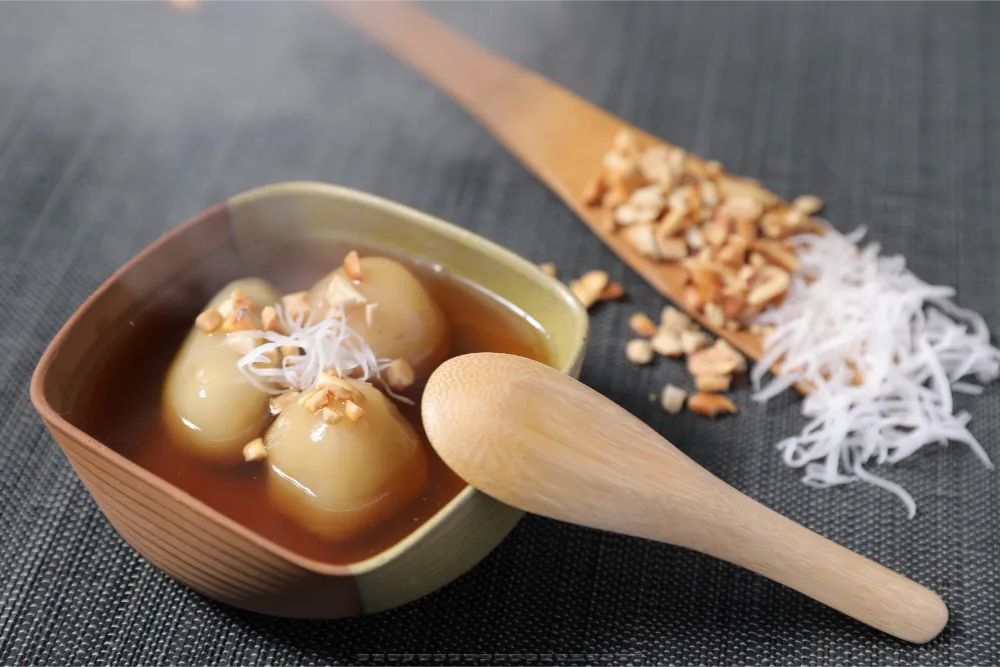
9. Banh Troi Tau (Warm Floating Rice Cakes)
A warm "hug" for your stomach on chilly nights. This hot sweet soup is extremely popular on Hanoi sidewalks when winter comes.
The Story: Influenced by Chinese cuisine but adapted to the Vietnamese palate, this dish is the signal that winter has arrived in Hanoi. It’s not just food; it’s a social activity where friends gather on small stools to warm up.
Taste: The spicy kick of hot ginger syrup will warm you up immediately. The chewy glutinous rice ball, when bitten, reveals a nutty black sesame or mung bean filling, melting sweetly.
How to eat like a local: Sip a spoon of the hot ginger syrup first. Then, bite into the rice ball carefully (it’s hot inside!). Let the sweet filling ooze out and mix with the spicy ginger broth.
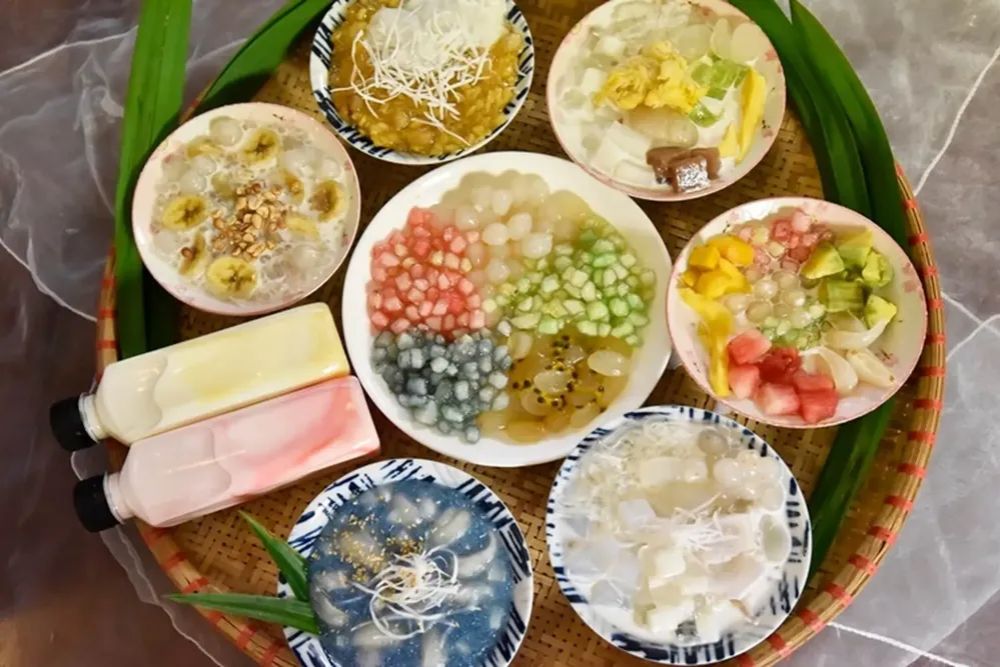
10. Che (Traditional Sweet Soup)
A sweet ending for every food tour. Whether hot or cold, Che is the "national" dessert with dozens of variations.
The Story: Che is a world of its own, ranging from royal desserts served to kings to humble snacks for students. It showcases the abundance of Vietnamese agriculture: beans, lotus seeds, fruits, jellies, and coconut.
Taste: A glass of mixed Che is a play of taste buds: nutty black beans, crunchy jelly, chewy pearls. All bathed in rich coconut milk and cool shaved ice.
How to eat like a local: Before eating, use your spoon to crush the shaved ice and mix everything thoroughly. In the summer heat, eat it quickly before the ice melts and dilutes the flavor!
See more: Hanoi Old Quarter food tour checklist
Suggested Best Vietnamese Restaurants in Hanoi Old Quarter
To help you save research time and avoid risks, here are the top restaurants carefully selected based on criteria: Authentic taste - Hygiene - Good service.
1. May Tre Dan Restaurant
This is the top choice for those looking for the perfect balance between traditional flavor and sophisticated dining space.
- Why it's worth trying: May Tre Dan doesn't just serve food; we serve a cultural story. The space is decorated with handmade bamboo and rattan materials, creating a cozy, nostalgic, yet very luxurious and clean feeling.
- Signature Dishes: See the Menu
- Charcoal Bun Cha: Keeps the traditional charcoal grilling technique; meat is soft and fragrant.
- Cha Ca Lang Set: Authentic Hanoi style.
- Crab Spring Rolls: Crispy crust, full of fresh crab meat filling.
- Suitable for: Families, groups of friends, couples, and especially international guests who want to experience safe, authentic Vietnamese cuisine.
Contact:
- Address: https://maps.app.goo.gl/LSETDD1TGQgtKz9c8
- Opening hours: 11:30 - 22:00
- Phone: +84 886 028 558
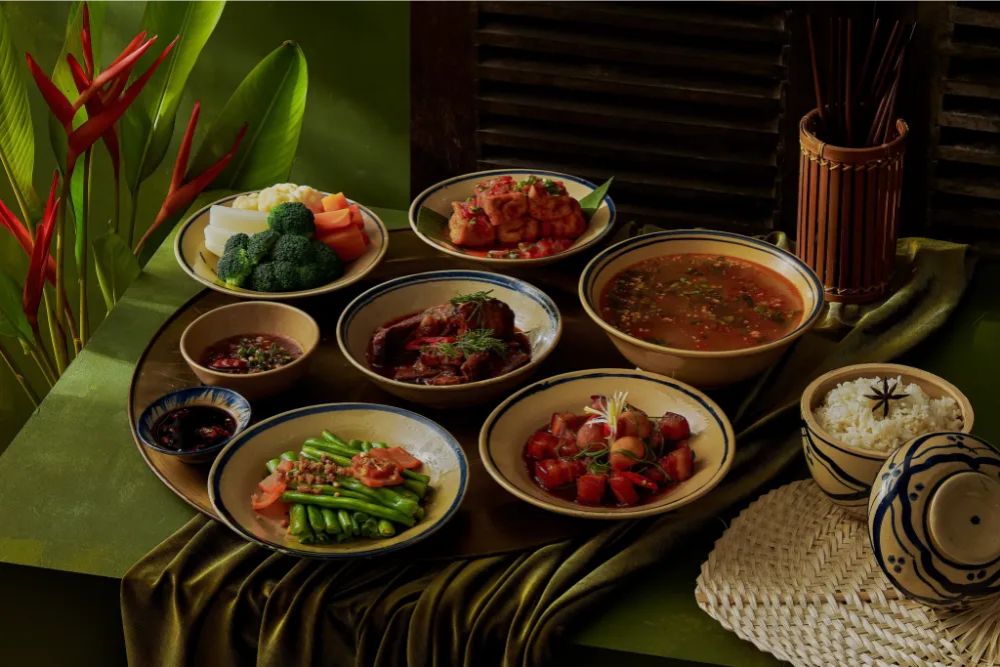
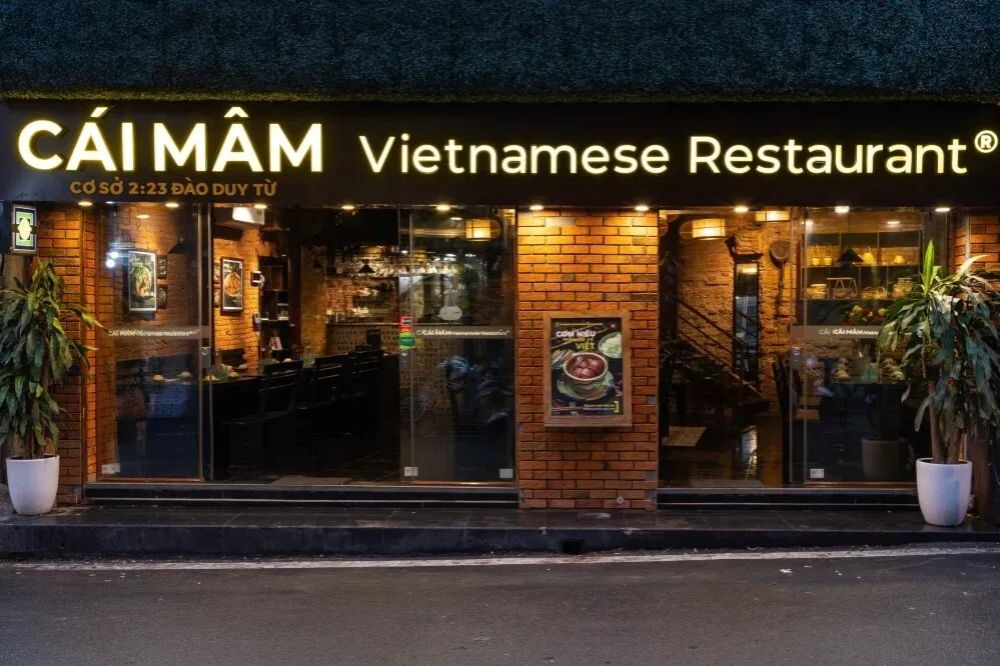
2. Cai Mam Restaurant | Nostalgia on a Tray
"Cái Mâm" refers to the traditional round tray used in Vietnamese households. This restaurant is dedicated to preserving the "Com Nha" (Mom's home cooking) culture in a setting that evokes 1990s Hanoi.
- Pros: The decor features antique fans, old radios, and wooden tables, creating an intimate and deeply personal atmosphere. It’s like stepping back in time to a traditional Hanoian family meal.
- What to order: Caramelized Pork in Clay Pot (Thịt Kho Tàu). The pork belly is slow-cooked until the fat is gelatinous and melts on your tongue perfect with white rice.
- Suitable for: Order a full "tray" (set) to experience the traditional way of sharing food in a Vietnamese family.
3. MET Vietnamese restaurant & Vegetarian
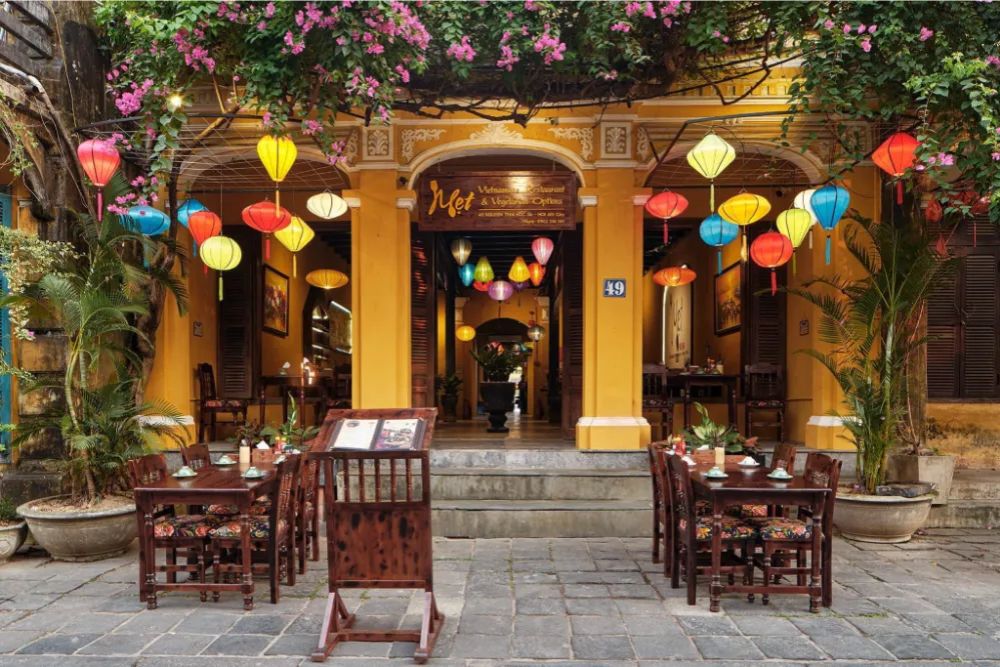
This is where folk culinary style is elevated to art. The name "Met" is inspired by traditional bamboo trays, where all delicious dishes are displayed together on one tray, creating a feeling of gathering and warmth.
- Pros: The presentation is extremely eye-catching and very Vietnamese (very "photogenic" for check-in). The menu is wonderfully flexible, solving the difficult problem for groups where some eat meat and others are vegetarian.
- What to order: Signature Met Set to try many small dishes (spring rolls, sausages, grilled meat) at once, or Vegetarian Met with fresh rolls.
- Suitable for: Large groups of friends, families, or tourists who want to experience the Vietnamese culture of "eating together."
Contact:
- Address: 110 Hang Bac St., Hang Buom, Hoan Kiem, Hanoi
- Opening hours: 10:00 - 22:30
What is an authentic Vietnamese restaurant for a vietnam foodie?
Authentic is not just tasty; it is a respectful dining experience that respects culture. Here is the compass to help you choose a spot in the Old Quarter.
1. Authentic Taste
Many restaurants, wanting to please Western guests, make dishes sweeter or remove shrimp paste and fish sauce. This kills the "soul" of Vietnamese food.
Elegant & Aftertaste: A standard bowl of pho or bun thang must have a clear broth, no grease scum, and leave a gentle sweet aftertaste in the throat.
Natural Spices: Using dried sa sung, dried squid, and grilled ginger to create sweetness instead of abusing sugar or MSG.
2. Made on the spot
A vietnam foodie is extremely sophisticated; they like the "from kitchen to table" feeling.
Piping Hot: Food is best when it just leaves the fire. Spring rolls must be crispy, bun cha must still be sizzling with fat, and raw herbs must be fresh, not wilted.
Signs to identify: Look at the kitchen. A reputable restaurant usually has a continuously operating kitchen, food coming out in small batches to ensure quality, instead of cooking a giant pot and reheating it over and over.
3. Clean, comfortable but not too industrial
"Authentic" does not mean you have to sit on a dusty sidewalk or accept a floor full of tissues. Especially for international tourists or families, hygiene standards are paramount.
Minimum standards: Clean wooden tables and chairs, dried chopsticks, airy space with little smell of grease.
Emotional space: Warm yellow lights, decor using bamboo, rattan, ceramics... will elevate the dining experience without losing the intimacy.
7 Criteria to avoid tourist traps
The Old Quarter has delicious places, but there is no shortage of "rip-off" spots or careless cooking. Remember these 7 things:
- Read reviews carefully: Don't just look at the star rating, read the content of the reviews (especially the most recent ones).
- See real photos: Prioritize places with food photos taken by guests (check-in), do not just trust 3D advertising photos.
- Transparent Menu: Prices must be clearly listed right at the door or in the menu.
- Avoid "Touts": Places with staff dragging customers in too enthusiastically right on the street usually have unsatisfactory quality.
- Signature Dish: Good restaurants are usually famous for 1-2 main dishes; avoid places selling a "mix" from Europe to Asia.
- Service Process: Observe if the staff has uniforms and a professional attitude.
- Eating time: Avoid peak hours (12 PM or 7 PM) if you don't want to wait too long at hot spots.
Hanoi is most beautiful when you sit in a cozy space, watching the streets and enjoying dishes cooked with all the heart. Don't let a poor-quality meal ruin your trip. Book a table now, contact: +84 886 028 558